

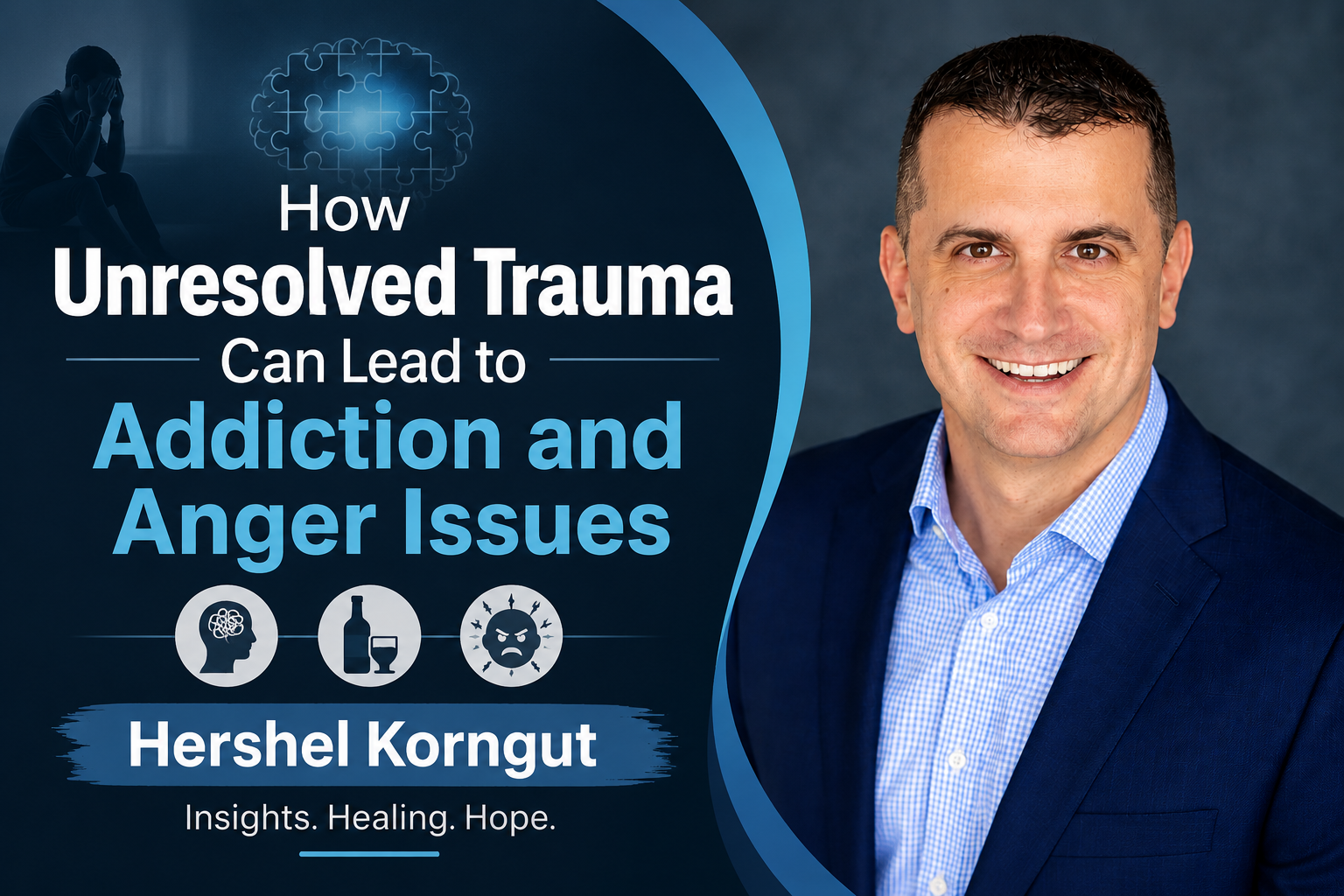
Trauma can leave lasting emotional scars that affect every aspect of a person’s life. While some people are able to process difficult experiences and move forward, others carry unresolved trauma for years without realizing its impact. When emotional wounds remain untreated, they can influence behavior, relationships, mental health, and coping mechanisms. Two of the most common consequences of unresolved trauma are addiction and anger issues.
Understanding the connection between trauma, addiction, and anger is an important step toward healing and building a healthier future.
What Is Unresolved Trauma?
Trauma occurs when a person experiences an event or series of events that overwhelm their ability to cope. These experiences may include:
- Physical or emotional abuse
- Neglect during childhood
- Loss of a loved one
- Serious accidents or injuries
- Domestic violence
- Bullying or harassment
- Military combat experiences
Not everyone responds to trauma in the same way. Some individuals process their emotions and recover over time, while others suppress painful memories and feelings. When trauma remains unaddressed, it becomes unresolved trauma.
Unresolved trauma does not simply disappear. Instead, it often resurfaces through emotional, psychological, and behavioral challenges.
The Link Between Trauma and Addiction
Many people struggling with addiction are not simply seeking pleasure from substances or unhealthy behaviors. In many cases, they are attempting to escape emotional pain.
When someone carries unresolved trauma, they may experience:
- Anxiety
- Depression
- Chronic stress
- Emotional numbness
- Low self-worth
- Persistent feelings of fear or shame
To temporarily relieve these emotions, individuals may turn to alcohol, drugs, gambling, excessive spending, or other addictive behaviors.
Self-Medication and Emotional Escape
This pattern is often referred to as self-medication. Instead of addressing the underlying trauma, a person uses substances or behaviors to avoid painful emotions.
For example:
- Alcohol may be used to reduce anxiety.
- Drugs may provide temporary emotional numbness.
- Gambling may create a distraction from emotional distress.
While these coping methods may provide short-term relief, they do not heal the trauma itself. Over time, dependence develops, making addiction more difficult to overcome.
How Trauma Contributes to Anger Issues
Anger is another common response to unresolved trauma. Many people assume anger is simply a personality trait, but it is often a symptom of deeper emotional pain.
Trauma can leave a person feeling:
- Unsafe
- Powerless
- Betrayed
- Rejected
- Vulnerable
Because these emotions are difficult to process, they may emerge as anger instead.
The Fight Response
When faced with trauma, the human nervous system typically reacts through fight, flight, freeze, or fawn responses. Individuals who remain stuck in a heightened state of alertness may become more prone to anger and aggression.
Common signs include:
- Frequent irritability
- Explosive outbursts
- Difficulty controlling emotions
- Hostility toward others
- Overreacting to minor frustrations
In many cases, the anger is not truly about the present situation. Instead, it is connected to unresolved experiences from the past.
The Cycle of Trauma, Addiction, and Anger
Addiction and anger often reinforce each other, creating a damaging cycle.
A person may use substances to suppress traumatic memories. However, substance use can impair emotional regulation and increase irritability. As anger grows, relationships suffer, stress increases, and feelings of isolation deepen.
This can lead to:
- Unresolved trauma causing emotional pain.
- Addiction developing as a coping mechanism.
- Increased anger and emotional instability.
- More guilt, shame, and stress.
- Greater reliance on addictive behaviors.
Without intervention, this cycle can continue for years.
Signs That Trauma May Be Affecting Your Life
Many individuals are unaware that past experiences continue to influence their present behavior.
Some warning signs include:
- Difficulty trusting others
- Constant feelings of anxiety or fear
- Emotional numbness
- Sudden mood swings
- Substance dependence
- Frequent anger or resentment
- Problems maintaining healthy relationships
- Avoidance of certain memories or situations
Recognizing these signs is an important first step toward healing.
Healing From Unresolved Trauma
The good news is that trauma can be addressed and treated. Recovery is possible, even for individuals who have struggled for many years.
Seek Professional Support
Therapists and trauma-informed counselors can help individuals understand the root causes of their emotions and behaviors. Evidence-based approaches such as cognitive behavioral therapy (CBT), EMDR, and trauma-focused therapy can be highly effective.
Develop Healthy Coping Strategies
Replacing harmful coping mechanisms with healthy alternatives can reduce the risk of addiction and anger-related problems.
Examples include:
- Regular exercise
- Meditation and mindfulness
- Journaling
- Support groups
- Creative activities
- Building strong social connections
Practice Emotional Awareness
Learning to identify and express emotions in healthy ways can significantly improve emotional regulation. Rather than suppressing pain, individuals can begin processing it constructively.
Conclusion
Unresolved trauma can have a profound impact on emotional well-being, often contributing to addiction and anger issues that affect every area of life. While these challenges may feel overwhelming, they are often symptoms of deeper wounds rather than personal failures. By recognizing the connection between trauma, addiction, and anger, individuals can begin the healing process and develop healthier coping strategies.
If you or someone you care about is struggling with the effects of unresolved trauma, reaching out for professional guidance from Hershel Korngut can be a life-changing step. Our team is committed to helping individuals understand and overcome the emotional challenges associated with trauma, addiction, and anger so they can move toward lasting recovery and emotional wellness.

